
Some trips look simple on a map and turn complicated the moment you start booking them. An Albania and North Macedonia tour is often like that. The distances are manageable, but the real questions are about route, pace, border crossings, hotel locations, and which places are truly worth your time.
That is exactly where a well-planned regional tour makes the difference. When the itinerary is built by people who know these roads, towns, and travel rhythms firsthand, the journey feels easy. You spend less time comparing transfers and more time enjoying lake views, Ottoman-era streets, mountain scenery, and long meals in places many travelers still overlook.
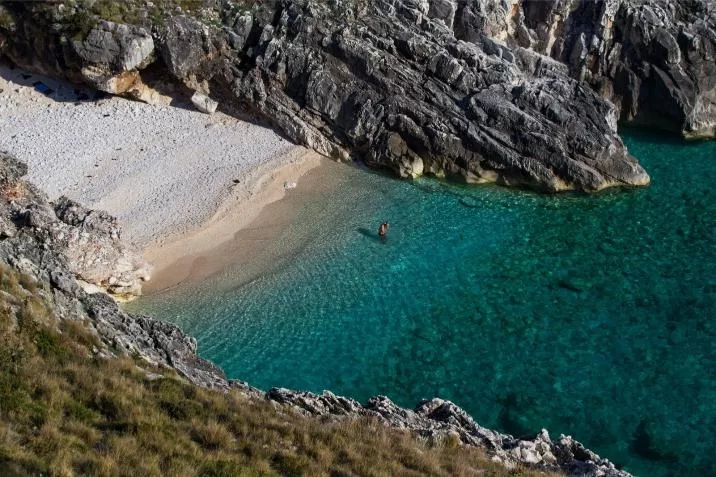
Why an Albania and North Macedonia tour works so well
These two countries pair naturally because they offer contrast without forcing long, exhausting travel days. Albania brings Adriatic energy, layered history, dramatic landscapes, and vibrant cities like Tirana and Berat. North Macedonia adds a different pace – quieter lakeside towns, strong Orthodox heritage, excellent local wine, and cultural sites that feel intimate rather than crowded.
Together, they create a trip with range. You can move from Albania’s capital to UNESCO-listed towns, continue through scenic border regions, and arrive in North Macedonia for time in Ohrid, Skopje, or canyon landscapes that feel entirely distinct. For travelers who want more than one destination but do not want a rushed multi-country sprint, this combination strikes a very good balance.
It also suits different travel styles. Couples often enjoy the mix of culture and scenery. Private groups appreciate how easy it is to shape the route around shared interests. Solo travelers benefit from having logistics handled in a region that may be less familiar, especially when crossing borders and coordinating transport.
What to include in an Albania and North Macedonia tour
The best itinerary depends on how many days you have and what kind of trip you want. If your priority is cultural heritage, you will want more time in historic centers and UNESCO sites. If you prefer landscapes and relaxed pacing, lakeside stays and mountain routes deserve more space in the program.
Tirana, Berat, and Kruja
Many trips begin in Tirana because it is the main international gateway and a useful introduction to modern Albania. The city is lively, colorful, and constantly changing, with good museums, cafés, and a character that feels energetic without being overwhelming.
From there, Berat is one of the strongest additions to any route. Its hillside neighborhoods, white Ottoman houses, and castle district give travelers a sense of Albania’s depth very quickly. Kruja is another worthwhile stop, especially for visitors interested in Albanian identity, traditional crafts, and the story of national hero Skanderbeg.
Lake Ohrid and North Macedonia’s cultural heart
If there is one place that almost always earns its spot, it is Ohrid. The town sits on one of Europe’s oldest and most beautiful lakes, and it has the kind of atmosphere that works for almost everyone. You can explore churches, walk the old town, take a boat ride, or simply enjoy a slower evening by the water.
For many travelers, Ohrid becomes the emotional center of the trip. It is scenic, historical, and easy to enjoy at your own pace. That matters, because not every day of a multi-country tour should feel packed.
Skopje and beyond
Skopje divides opinion, which is precisely why it can be interesting. Some travelers love its bold mix of architecture, monuments, Ottoman heritage, and modern city life. Others prefer to treat it as a shorter stop. Either approach can work, depending on the itinerary.
If you have more time, adding places beyond the standard route can create a more memorable journey. Mavrovo for mountain scenery, Matka Canyon for nature, or smaller regional towns can bring a more local and less expected dimension. That is often where a customized tour becomes more valuable than a fixed package.
How many days do you really need?
This is where expectations matter. A short 4-day or 5-day trip can give you a satisfying taste of both countries, but it will be selective. You may focus on Tirana, Berat, and Ohrid, with careful transfer planning and limited free time. That works well for travelers adding the Balkans onto a longer European vacation.
A 7-day to 8-day itinerary is usually the sweet spot. It allows you to see major highlights without feeling as if you are constantly packing and unpacking. You can include cultural visits, scenic drives, and some slower moments that let the region breathe.
If you have 10 or 11 days, the experience changes from a highlights trip into something deeper. You can combine classic stops with lesser-known places, enjoy more local meals and guided visits, and avoid the feeling of simply checking off landmarks. For travelers coming this far, that extra time often pays off.
Guided tour or custom private trip?
There is no single right answer. It depends on budget, travel confidence, and how much flexibility you want.
A guided small-group format suits travelers who want structure, a clear price, and the comfort of moving with an organized plan. It is efficient, social, and often more cost-effective. For first-time visitors to the Balkans, this can remove a lot of uncertainty.
A private Albania and North Macedonia tour is better for travelers who want more control. You may want to travel as a couple, with family, or as a private group of friends. You may also want a slower pace, upgraded hotels, or more time in one destination and less in another. That level of tailoring is especially useful if you are combining cultural visits with outdoor experiences or celebrating a special occasion.
The trade-off is simple. Group tours can offer value and ease, while private travel offers freedom and personalization. Neither is automatically better. The best choice is the one that matches how you like to travel.
The logistics travelers often underestimate
The appeal of this region is real, but so is the need for smart coordination. Border crossings are generally straightforward, yet timing, paperwork, and transport planning still matter. Hotel selection also matters more than people expect. A property that looks good online may be poorly placed for evening walks, old town access, or early departures.
That is why local planning saves time and usually improves the actual trip, not just the booking process. Airport transfers, driver coordination, sightseeing flow, meal timing, and realistic road-day planning all shape how comfortable the journey feels. Travelers rarely remember the transfer they did not have to worry about, but they absolutely remember the one that went wrong.
This is where a destination specialist can take full ownership of the trip. At Nomad Travel, that means building routes that are realistic, enjoyable, and backed by local knowledge rather than guesswork.
What kind of traveler enjoys this route most?
This regional trip tends to appeal to people who want a richer story than a typical city break. If you enjoy history but do not want your vacation to feel academic, this route works. If you like natural beauty but do not want a fully outdoors-based itinerary, it works as well.
It is also ideal for travelers who value authenticity over hype. Albania and North Macedonia are not about massive crowds and over-scripted sightseeing. They are about warm hospitality, layered cultures, memorable landscapes, and the pleasure of being somewhere that still feels refreshingly unpolished in the right ways.
That said, these destinations are not for travelers expecting luxury at every turn in the classic Western European sense. The charm here is different. It is found in local expertise, personal service, fresh food, beautiful drives, and meaningful places that feel lived-in rather than staged.
Booking the right Albania and North Macedonia tour
A strong itinerary should do more than connect two countries. It should make the journey feel coherent. That means choosing the right arrival point, balancing city and nature, allowing enough time in places like Ohrid or Berat, and matching the route to your energy level.
The best tours also leave room for your priorities. Some travelers want heritage and guided sightseeing. Others want scenery, photography, and free evenings. Some need family-friendly pacing, while others want a private route with a more premium feel. A good travel plan respects those differences instead of forcing everyone into the same mold.
If you are considering this part of the Balkans, it helps to start with one practical question: do you want to see the region, or do you want to experience it properly? The second option usually comes from thoughtful planning, local guidance, and an itinerary built around what will actually make the trip memorable.
A well-designed journey through Albania and North Macedonia does not need to feel complicated. With the right route and the right support, it becomes the kind of trip people talk about long after they get home.